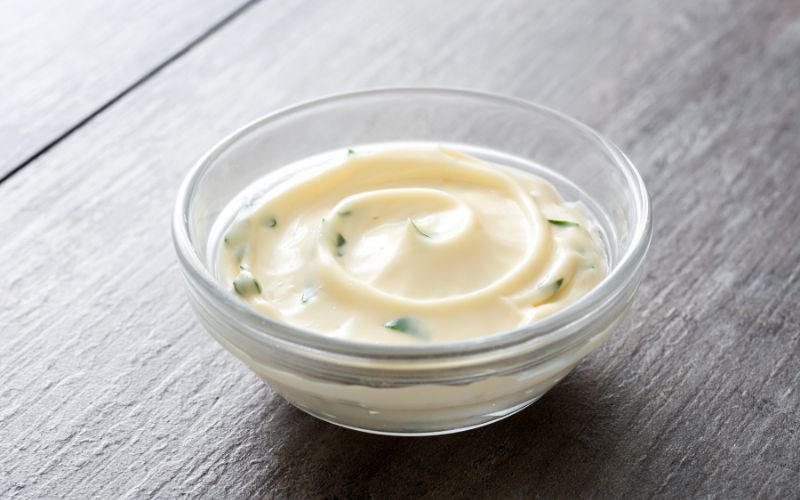
Mayonnaise, a versatile condiment, is a staple in countless kitchens across the United Kingdom. According to the survey by Kantar, 8.2 million people in the UK are consuming mayonnaise with a frequency level of Heavy users in 2022. In contrast, 4.5 million people have a frequency level of ‘Medium users’. Whether you’re running a restaurant, a catering business, or a retail store, choosing the right mayo wholesaler is crucial for the success of your business. In this guide, we’ll explore the key factors to consider when selecting the best mayo wholesaler in the UK.
Quality of Mayonnaise:
The first and foremost consideration when choosing a mayo wholesaler is the quality of their mayonnaise. Customers can easily distinguish between a mediocre mayo and a premium one. Look for wholesalers that offer mayonnaise made from high-quality ingredients, ensuring a rich and flavourful taste. Consider whether they use free-range eggs, premium oils, and natural flavours to create a product that stands out in quality.
Range of Products:
A comprehensive product range is another important factor to consider. A good mayo wholesaler should offer a variety of options to cater to different tastes and dietary preferences. This includes regular mayo, light mayo, and speciality mayo variations such as garlic, herb-infused, or even vegan mayo. Having a diverse selection allows you to meet the diverse needs of your customers and keeps your offerings fresh and exciting.
Packaging Options:
Consider the packaging options provided by the mayo wholesaler. The packaging not only plays a role in preserving the freshness of the product but also influences the convenience of handling and storage. Look for wholesalers that offer a range of packaging options, including bulk containers for commercial kitchens, portion-controlled sachets for takeaways, and user-friendly squeeze bottles for retail sales.
Certifications and Compliance:

Ensure that the mayo wholesaler adheres to industry standards and regulations. Look for certifications such as ISO, HACCP, or any other relevant quality assurance certifications. Compliance with food safety standards is crucial, especially when dealing with perishable products like mayonnaise. Verify that the wholesaler follows proper hygiene practices, has a robust quality control process, and meets all legal requirements.
Pricing and Payment Terms:
While quality is paramount, pricing is also crucial in the decision-making process. Compare the pricing of different mayo wholesalers and assess the value for money offered. Additionally, consider the payment terms provided by each wholesaler. Flexible payment terms can benefit your cash flow, so explore options such as discounts for bulk purchases, credit terms, or loyalty programs.
Delivery and Distribution:
Reliable and efficient delivery is essential in the food industry. Consider the wholesaler’s delivery capabilities, including delivery times, order minimums, and delivery charges. Look for a wholesaler with a well-established distribution network that can ensure timely and safe delivery of your mayo products. This is especially important for businesses with tight schedules and high demand for quick replenishment.
Customer Service and Support:
Exemplary customer service is a key differentiator in the wholesale industry. Evaluate the responsiveness and helpfulness of the wholesaler’s customer service team. A good wholesaler should be easy to communicate with, address your queries promptly, and provide support in case of any issues. Consider the availability of online ordering systems, tracking options, and after-sales support.
Reputation and Reviews:

Do some research on the reputation of the Mayo Wholesaler within the industry. Look for customer reviews, testimonials, and ratings on various platforms. Positive feedback from other businesses indicates reliability and customer satisfaction. Conversely, negative reviews or a lack of information might be red flags that warrant further investigation before committing to a partnership.
Read More: How to Start a Coffee Shop Business
Conclusion:
Choosing the best mayo wholesaler in the UK requires careful consideration of various factors, including product quality, range, packaging, certifications, pricing, delivery, and customer service. By taking the time to assess these aspects, you can make an informed decision that aligns with the needs of your business. Remember that a reliable wholesaler is a valuable partner in the success of your food-related enterprise.